
Treatments
- Diseases
- AsthmaAsthma
- COPDCOPD
- Interstitial Lung DiseaseInterstitial Lung Disease
- PneumoniaPneumonia
- Sleep ApneaSleep Apnea
- Bronchitis & Chronic CoughBronchitis & Chronic Cough
- Pulmonary FibrosisPulmonary Fibrosis
- TuberculosisTuberculosis
- SarcoidosisSarcoidosis
- Lung Cancer EvaluationLung Cancer Evaluation
- Pleural EffusionPleural Effusion
- PneumothoraxPneumothorax
- Pulmonary EmbolismPulmonary Embolism
- ARDSARDS
- Allergic Lung DiseasesAllergic Lung Diseases
- Post-COVID Lung DiseasePost-COVID Lung Disease
- Occupational Lung DiseasesOccupational Lung Diseases
Acute Respiratory Distress Syndrome (ARDS)
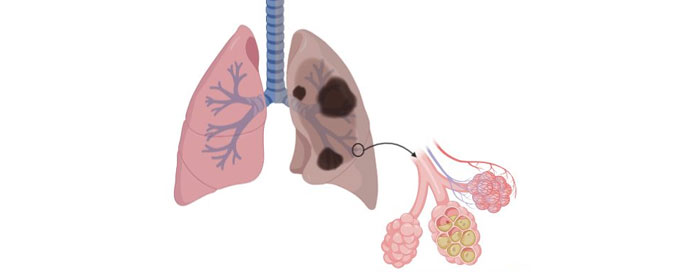
Acute Respiratory Distress Syndrome (ARDS) is a severe, rapidly progressing lung condition in which the air sacs (alveoli) become inflamed and filled with fluid, leading to a sudden and significant drop in oxygen levels. It usually develops in critically ill patients due to infections, trauma, pneumonia, sepsis, or inhalation injuries. The lungs become stiff and less able to expand, making breathing extremely difficult and requiring urgent hospital care—often in an ICU. ARDS is a medical emergency, and without timely treatment, it can lead to multiple organ failure.
- Causes: ARDS commonly occurs due to severe pneumonia, sepsis, aspiration of stomach contents, major trauma, pancreatitis, near-drowning incidents, smoke inhalation, or severe COVID-19 infection. These events trigger widespread inflammation in the lungs.
- Pathophysiology: The inflammatory response causes the alveoli to leak fluid, collapse, and lose their ability to exchange oxygen. Surface tension increases, lung compliance decreases, and the patient cannot maintain adequate oxygenation even with supplemental oxygen.
- Symptoms: Rapid onset of severe breathlessness, rapid breathing, low oxygen levels, bluish skin or lips, chest discomfort, confusion, restlessness, and in advanced cases, respiratory failure requiring mechanical ventilation.
- Diagnosis: Chest X-ray or CT scan showing diffuse infiltrates (“white-out” appearance), arterial blood gas showing low oxygen levels, and ruling out other causes like heart failure. Severity is classified using the PaO₂/FiO₂ ratio.