
Best Pleurodesis Doctor in Thane
- Treatments
- BronchoscopyBronchoscopy
- EBUS-TBNAEBUS-TBNA
- Transbronchial Lung BiopsyTransbronchial Lung Biopsy
- Semi-Rigid Medical ThoracoscopySemi-Rigid Medical Thoracoscopy
- ThoracentesisThoracentesis
- Intercostal Drain InsertionIntercostal Drain Insertion
- Pigtail Catheter InsertionPigtail Catheter Insertion
- PleurodesisPleurodesis
- Closed Pleural BiopsyClosed Pleural Biopsy
- USG & CT Guided Lung Mass BiopsyUSG & CT Guided Lung Mass Biopsy
- Sleep StudySleep Study
- Pulmonary Function TestingPulmonary Function Testing
- Post-COVID RehabilitationPost-COVID Rehabilitation
- Pulmonary Hypertension ClinicPulmonary Hypertension Clinic
- Smoking Cessation TherapySmoking Cessation Therapy
Pleurodesis
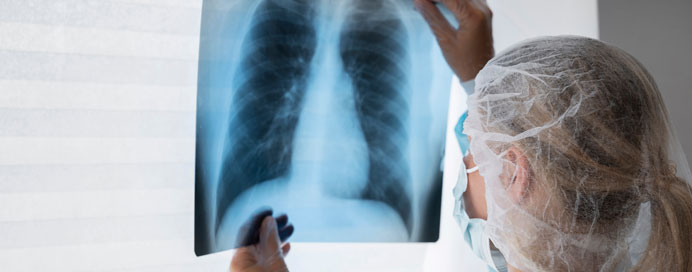
Pleurodesis is a medical procedure performed to permanently eliminate the space between the lung and chest wall, preventing the recurrence of pleural effusion or pneumothorax. This is achieved by introducing a chemical agent or creating controlled inflammation that causes the pleural layers to stick together. The procedure is commonly done for patients with recurrent fluid buildup, lung cancer–related effusion, or repeated pneumothorax. It helps reduce breathlessness, improves lung expansion, and offers long-term stability with minimal disruption to daily life.
When Pleurodesis Is Needed
- Recurrent pleural effusion that keeps returning despite repeated drainage.
- Persistent pneumothorax where air continues to leak into the pleural space.
- Malignant pleural effusion associated with cancers such as lung or breast cancer.
- Patients seeking long-term relief from frequent hospital visits for fluid removal.
- Situations where other treatments like pigtail catheter or ICD are insufficient.
How the Procedure Helps
- Seals the pleural space so fluid or air cannot collect again.
- Improves oxygenation and reduces breathlessness by allowing better lung expansion.
- Provides long-term symptom control with a single, minimally invasive session.
- Enables faster recovery and reduces the need for repeated thoracentesis or drainage.
- Can be performed through a chest tube, thoracoscopy, or bedside, depending on patient condition.