Best Post-COVID Lung Disease Treatment in Thane
- Diseases
- AsthmaAsthma
- COPDCOPD
- Interstitial Lung DiseaseInterstitial Lung Disease
- PneumoniaPneumonia
- Sleep ApneaSleep Apnea
- Bronchitis & Chronic CoughBronchitis & Chronic Cough
- Pulmonary FibrosisPulmonary Fibrosis
- TuberculosisTuberculosis
- SarcoidosisSarcoidosis
- Lung Cancer EvaluationLung Cancer Evaluation
- Pleural EffusionPleural Effusion
- PneumothoraxPneumothorax
- Pulmonary EmbolismPulmonary Embolism
- ARDSARDS
- Allergic Lung DiseasesAllergic Lung Diseases
- Post-COVID Lung DiseasePost-COVID Lung Disease
- Occupational Lung DiseasesOccupational Lung Diseases
Post-COVID Lung Disease
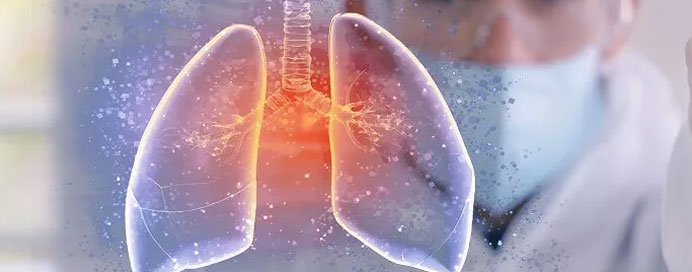
Post-COVID Lung Disease refers to the persistent lung problems that continue even after a person has recovered from the acute COVID-19 infection. The virus can leave behind inflammation, scarring, and reduced lung capacity, leading to long-term breathing difficulties. Many patients experience ongoing symptoms such as chronic cough, fatigue, chest tightness, and shortness of breath. In severe cases, COVID-19 can cause fibrosis-like changes, making the lungs stiff and less efficient. Early evaluation and rehabilitation help prevent progression and restore lung function.
Types of Post-COVID Lung Issues
- Persistent inflammation causing prolonged cough and breathing difficulty.
- Post-COVID fibrosis leading to stiff lungs and reduced oxygen exchange.
- Long COVID with breathlessness, fatigue, and reduced exercise tolerance.
- Small airway disease resulting in wheezing and airflow limitation.
- Residual complications such as pulmonary embolism or ARDS-related lung damage.
Symptoms & Warning Signs
- Continuous cough lasting weeks to months after recovery.
- Shortness of breath on exertion or even at rest in severe cases.
- Chest discomfort, heaviness, or tightness.
- Extreme fatigue, reduced stamina, and difficulty returning to daily activities.
- Low oxygen levels, dizziness, or palpitations in advanced cases.