
Best Tuberculosis Doctor in Thane
- Diseases
- AsthmaAsthma
- COPDCOPD
- Interstitial Lung DiseaseInterstitial Lung Disease
- PneumoniaPneumonia
- Sleep ApneaSleep Apnea
- Bronchitis & Chronic CoughBronchitis & Chronic Cough
- Pulmonary FibrosisPulmonary Fibrosis
- TuberculosisTuberculosis
- SarcoidosisSarcoidosis
- Lung Cancer EvaluationLung Cancer Evaluation
- Pleural EffusionPleural Effusion
- PneumothoraxPneumothorax
- Pulmonary EmbolismPulmonary Embolism
- ARDSARDS
- Allergic Lung DiseasesAllergic Lung Diseases
- Post-COVID Lung DiseasePost-COVID Lung Disease
- Occupational Lung DiseasesOccupational Lung Diseases
Tuberculosis
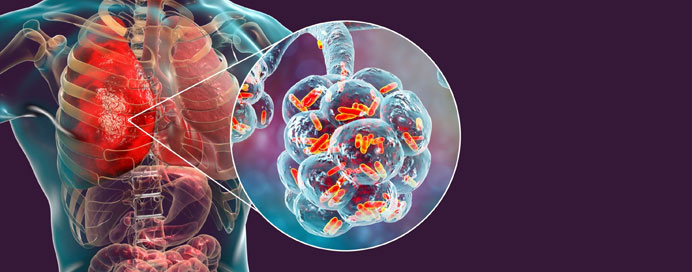
Tuberculosis (TB) is a contagious bacterial infection caused by Mycobacterium tuberculosis, primarily affecting the lungs but sometimes involving other organs. It spreads through airborne droplets when an infected person coughs or sneezes. TB can be latent, where the bacteria remain inactive without symptoms, or active, causing significant respiratory and systemic illness. Early diagnosis and consistent treatment are critical to prevent complications, transmission, and drug resistance.
Causes & Risk Factors
- Infection with Mycobacterium tuberculosis
- Close contact with someone who has active TB
- Weakened immune system due to HIV, diabetes, or malnutrition
- Living in crowded or poorly ventilated environments
- Substance abuse, smoking, or chronic illnesses
Symptoms & Signs
- Persistent cough lasting more than two weeks
- Coughing up blood (hemoptysis) in advanced cases
- Fever, night sweats, and chills
- Unexplained weight loss and fatigue
- Chest pain or difficulty breathing