
Best Pigtail Catheter Insertion Treatment in Thane
- Treatments
- BronchoscopyBronchoscopy
- EBUS-TBNAEBUS-TBNA
- Transbronchial Lung BiopsyTransbronchial Lung Biopsy
- Semi-Rigid Medical ThoracoscopySemi-Rigid Medical Thoracoscopy
- ThoracentesisThoracentesis
- Intercostal Drain InsertionIntercostal Drain Insertion
- Pigtail Catheter InsertionPigtail Catheter Insertion
- PleurodesisPleurodesis
- Closed Pleural BiopsyClosed Pleural Biopsy
- USG & CT Guided Lung Mass BiopsyUSG & CT Guided Lung Mass Biopsy
- Sleep StudySleep Study
- Pulmonary Function TestingPulmonary Function Testing
- Post-COVID RehabilitationPost-COVID Rehabilitation
- Pulmonary Hypertension ClinicPulmonary Hypertension Clinic
- Smoking Cessation TherapySmoking Cessation Therapy
Pigtail Catheter Insertion
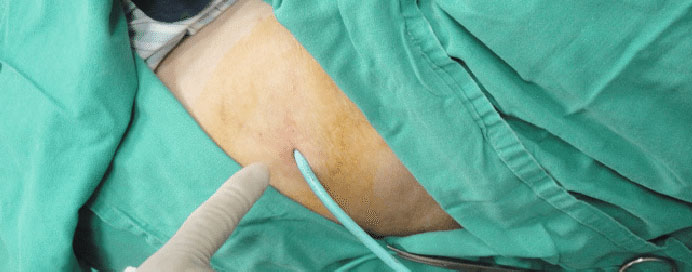
Pigtail Catheter Insertion is a minimally invasive procedure used to drain air or fluid from the pleural cavity using a thin, flexible catheter that has a curled “pigtail” tip. This catheter design helps prevent accidental dislodgement and reduces trauma to surrounding tissues. It is commonly performed for pneumothorax, pleural effusion, hemothorax, and empyema, especially when a less invasive option is preferred over a traditional chest tube. The procedure is typically done under ultrasound or CT guidance to ensure precise placement, making it safer and more comfortable for the patient while providing effective drainage and faster recovery.
Why This Procedure Is Done
- To drain air in cases of spontaneous or traumatic pneumothorax.
- To remove pleural fluid in conditions like effusion, infection, or malignancy.
- To evacuate pus in empyema with minimal chest wall trauma.
- To manage smaller or moderate collections where a large chest tube is not required.
- To offer a less painful and more cosmetically acceptable alternative to ICD insertion.
How the Procedure Is Performed
- The patient is positioned comfortably, usually sitting upright or lying on their side.
- The insertion site is cleaned and numbed with local anesthetic.
- Using ultrasound or CT guidance, a small needle is introduced into the pleural space.
- A guidewire is passed through the needle, followed by dilators to create a tract.
- The pigtail catheter is advanced over the guidewire and positioned correctly.
- The curled “pigtail” tip helps anchor the catheter securely in place.
- The catheter is then connected to a drainage bag or underwater seal system.
Benefits of Pigtail Catheter
- Minimally invasive with smaller skin incision.
- Less pain and faster patient recovery.
- Lower risk of tissue trauma compared to large-bore chest tubes.
- Can be managed easily on an outpatient or day-care basis in many cases.
- Suitable for guided drainage of loculated or small collections.