
Best COPD Specialist in Thane
- Diseases
- AsthmaAsthma
- COPDCOPD
- Interstitial Lung DiseaseInterstitial Lung Disease
- PneumoniaPneumonia
- Sleep ApneaSleep Apnea
- Bronchitis & Chronic CoughBronchitis & Chronic Cough
- Pulmonary FibrosisPulmonary Fibrosis
- TuberculosisTuberculosis
- SarcoidosisSarcoidosis
- Lung Cancer EvaluationLung Cancer Evaluation
- Pleural EffusionPleural Effusion
- PneumothoraxPneumothorax
- Pulmonary EmbolismPulmonary Embolism
- ARDSARDS
- Allergic Lung DiseasesAllergic Lung Diseases
- Post-COVID Lung DiseasePost-COVID Lung Disease
- Occupational Lung DiseasesOccupational Lung Diseases
COPD
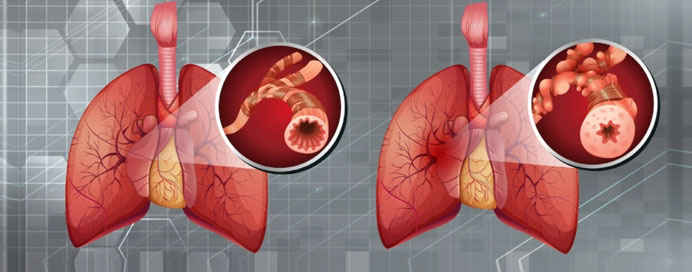
Chronic Obstructive Pulmonary Disease (COPD) is a progressive lung condition that causes airflow limitation, making it difficult to breathe. It commonly includes chronic bronchitis and emphysema, and is primarily caused by long-term exposure to irritants such as cigarette smoke, air pollution, or occupational dust. COPD leads to chronic cough, excessive mucus production, and shortness of breath, especially during physical activity. Early diagnosis and ongoing management are crucial to slow disease progression, improve quality of life, and prevent complications.
Causes & Risk Factors
- Long-term cigarette smoking (primary cause)
- Exposure to air pollution or industrial dust
- Genetic factors such as alpha-1 antitrypsin deficiency
- Frequent respiratory infections in childhood
- Aging, which reduces lung elasticity
Symptoms
- Persistent cough with mucus (chronic bronchitis)
- Shortness of breath, especially on exertion
- Wheezing and chest tightness
- Frequent respiratory infections
- Fatigue and reduced exercise tolerance
Diagnosis
- Detailed medical history and physical examination
- Pulmonary function tests (spirometry) to measure airflow limitation
- Chest X-ray or CT scan to assess lung damage
- Blood tests to check oxygen levels and inflammation
- Assessment of symptoms and exacerbation history