Best Pulmonary Fibrosis Treatment in Thane
- Diseases
- AsthmaAsthma
- COPDCOPD
- Interstitial Lung DiseaseInterstitial Lung Disease
- PneumoniaPneumonia
- Sleep ApneaSleep Apnea
- Bronchitis & Chronic CoughBronchitis & Chronic Cough
- Pulmonary FibrosisPulmonary Fibrosis
- TuberculosisTuberculosis
- SarcoidosisSarcoidosis
- Lung Cancer EvaluationLung Cancer Evaluation
- Pleural EffusionPleural Effusion
- PneumothoraxPneumothorax
- Pulmonary EmbolismPulmonary Embolism
- ARDSARDS
- Allergic Lung DiseasesAllergic Lung Diseases
- Post-COVID Lung DiseasePost-COVID Lung Disease
- Occupational Lung DiseasesOccupational Lung Diseases
Pulmonary Fibrosis
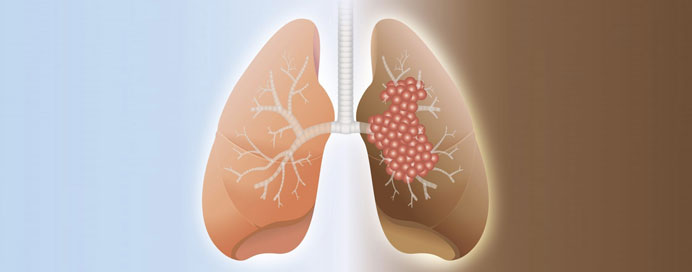
Pulmonary Fibrosis is a progressive lung disease characterized by scarring (fibrosis) of the lung tissue, which makes the lungs stiff and reduces their ability to function efficiently. This leads to difficulty in breathing, fatigue, and decreased oxygen supply to the body. The condition can be caused by long-term exposure to environmental pollutants, autoimmune diseases, medications, infections, or may be idiopathic (unknown cause). Early recognition, diagnosis, and proper management are essential to slow disease progression and improve quality of life.
Causes & Risk Factors
- Long-term exposure to pollutants, dust, asbestos, or silica
- Autoimmune conditions like rheumatoid arthritis or scleroderma
- Certain medications, including chemotherapy drugs and some antibiotics
- Chronic lung infections
- Idiopathic origins where no clear cause is identified
Symptoms & Warning Signs
- Gradual shortness of breath, especially during physical activity
- Persistent dry cough
- Fatigue and generalized weakness
- Unexplained weight loss
- Clubbing of fingers in advanced cases
Diagnosis & Management
- High-resolution CT scan (HRCT) to detect lung scarring
- Pulmonary function tests to measure lung capacity and airflow
- Blood tests to identify autoimmune or inflammatory markers
- Medications: antifibrotic agents, corticosteroids, or immunosuppressants
- Lifestyle measures: oxygen therapy, pulmonary rehabilitation, avoiding smoking and pollutants